
Turn Your Home Into A Playful, Connected Adventure
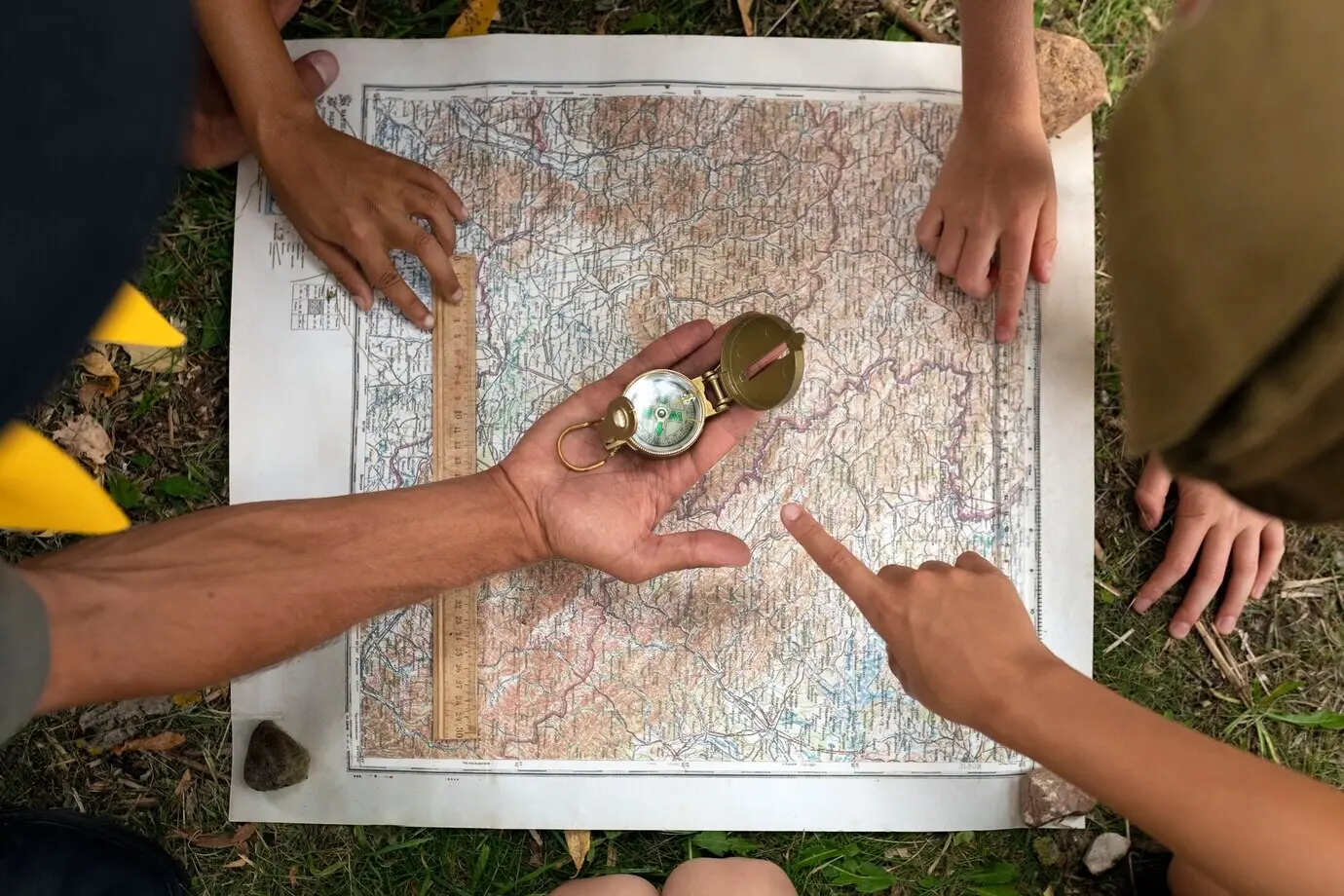
Start With A Map: Flow, Rooms, and Clues
Rooms As Stages
Translate your floor plan into areas within Home Assistant, mapping each space to triggers that guide the journey. A hallway motion sensor can announce a chapter break, while a contact sensor on a cabinet becomes a deliberate reveal. Avoid accidental activations by requiring two signals, like motion plus a nearby NFC scan. Use scenes to set mood lighting per stage, and treat transitions as mini curtain raises that anchor attention and expectation.
Clues As Signals
Replace opaque riddles with sensory signals that reward exploration and cooperation. Light color shifts can confirm progress, speakers whisper character messages, and a phone notification can carry a subtle vibration pattern that points toward the next direction. Balance mystery with clarity by layering hints: visual first, then audio, then a gentle text prompt. This keeps discovery joyful while respecting different learning styles, ensuring everyone feels smart, included, and motivated to continue.
Sensors, Tags, and Props That Spark Curiosity
NFC And QR Everywhere
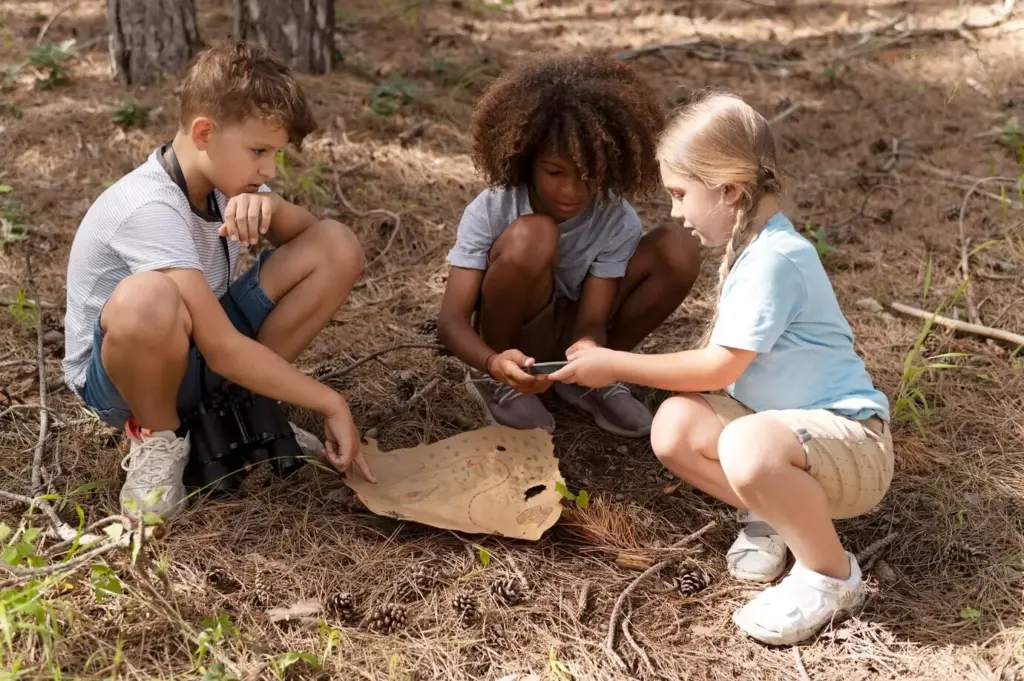
NFC tags feel like magic when a phone tap unlocks a clue, plays a sound, or flips a scene. QR codes work great for guests without NFC, offering fast camera access and accessibility options like larger print. We once hid an NFC sticker under a picture frame, teaching kids to notice a lamp pulsing blue nearby; they discovered the frame tilt revealed the sticker. Test placings for reach, readability, and device compatibility before go-time.
Lights, Sound, and Movement
Smart bulbs, LED strips, and speakers create cinematic feedback. Use a gentle warm fade to welcome players, a crisp blue strobe to signal a successful scan, or a cozy chime to confirm puzzle completion. Text-to-speech can become a character voice that gives playful nudges. A fan on a smart plug can rustle a note, adding a tactile surprise. Keep effects brief, purposeful, and synchronized, ensuring each cue advances the story instead of distracting.
Build Automations Without Code

Narrative Hooks
Begin with a gentle disruption that reassures and intrigues. A friendly TTS message from a caretaker AI can invite players to help, while scattered tags reveal personal notes from an explorer who once walked these halls. Fold real household objects into lore so discoveries feel authentic. Offer small, early wins to establish trust, then layer multi-room puzzles that pay off with emotional surprises, like a family photo lighting up when the final clue aligns perfectly.
Accessibility And Inclusion
Design for varied needs from the start. Use high-contrast visuals, colorblind-safe palettes, adjustable audio volumes, and captions through notifications. Provide alternative paths where a scan, press, or voice phrase can each advance the quest. Make QR codes large, place tags at different heights, and ensure clear floor space for mobility devices. Build quiet hours to respect routines, and avoid rapid flashes. The goal is shared joy where everyone participates comfortably and feels genuinely welcome.
Cooperative Or Competitive
Decide whether teamwork or friendly rivalry fits your audience. Cooperative modes encourage shared discovery, distributing tasks like scanning, listening, and observing. Competitive modes shine with turn-based timers, randomized clue orders, and visible scoreboards. Keep fairness by normalizing difficulty and preventing players from blocking progress. Consider hybrid rounds that begin collaboratively, then branch into timed finales. Provide debrief moments where players celebrate highlights and laugh about near misses, reinforcing community and anticipation for future adventures.
Reliability, Privacy, and Safety First
01
Keep Devices Healthy
Create an automation that alerts you when sensors report low battery, lights go unavailable, or speakers drop offline. Periodically test every stage and rehearse the reset procedure. Add repeaters to strengthen Zigbee and place Wi‑Fi access points smartly. Update firmware during planned maintenance windows. Keep a labeled drawer with spare tags, adhesives, and coin cells. Healthy infrastructure quietly carries the experience, letting the narrative and surprises shine without unplanned interruptions or awkward pauses.
02
Respect Data And Guests
Be explicit about what you track and for how long. Prefer local TTS and local presence detection, and use anonymized scoring when sharing results. Provide an easy opt-out that disables logging while keeping gameplay intact. Clearly mark cameras that are part of effects, or simply avoid them entirely. If using IFTTT or cloud services, limit fields to essentials and rotate Webhook keys regularly. Transparency earns trust and keeps the magic playful instead of intrusive.
03
Physical Safety And Ethics
Design interactions that avoid risky behavior. Do not place tags high or behind heavy objects, and ensure cables are tucked and taped. Favor rounded props and child-safe materials. Sanitize shared items between sessions. Consider age-appropriate puzzles and volume levels. Avoid jump scares that might distress sensitive players or pets. Provide a visible stop control and a gentle safety briefing. Thoughtful boundaries keep creativity flourishing, so everyone remembers wonder, not worry, after the lights fade.
Measure, Improve, and Share Your Adventure

Scoring And Progress Tracking
Telemetry And Insight

Seasonal Expansions
All Rights Reserved.